
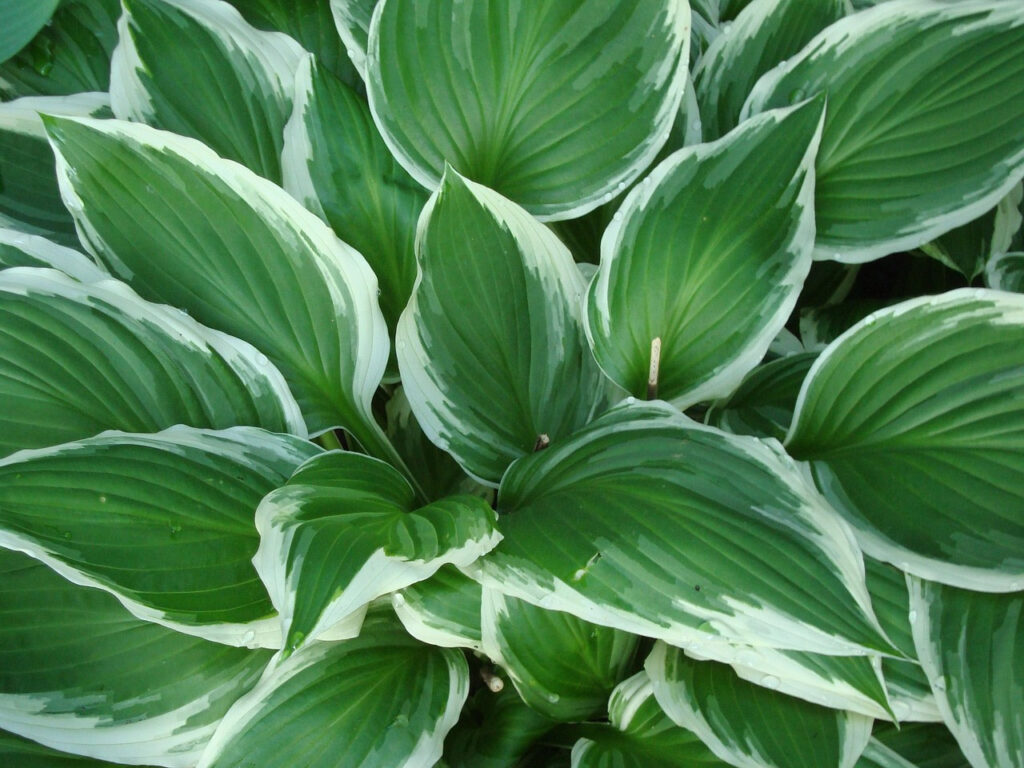
Shady Garden Design: Beautiful Plants for North-Facing Brighton Gardens
A shady, north-facing garden gets a bit of an unfair reputation. Ask most people what they’d love in their garden and shade rarely makes the list, it’s treated as the problem to solve rather than a condition to design around. In reality, a well-planned shady garden can be some of the most atmospheric, textural planting you’ll ever grow, layered foliage, cool green tones, and a sense of calm that a sun-baked border simply can’t offer.
Brighton has plenty of gardens like this, terraced houses with narrow, walled plots, mature trees casting deep canopy shade, north-facing rears that barely see direct sun most of the year. Some of these gardens sit right by the sea, others are well inland, but the design challenge is largely the same wherever they sit, working with reduced light rather than fighting it.
It’s also worth saying that not all shade is equal, and understanding the difference matters more than most people realise before they start planting. Dappled shade under a light tree canopy behaves very differently to the deep, dry shade cast by a north-facing wall or a dense evergreen hedge. A garden that gets bright, indirect light for most of the day will support a much wider range of planting than one in permanent, heavy shadow, so working out exactly what kind of shade you’re dealing with is really the first step, long before any plants get chosen.
Designing for shade, not despite it
The trick with a shady garden is to stop thinking of shade as a limitation and start thinking of it as a set of conditions, in the same way you’d design differently for a windy site or a steep slope. Good shade planting tends to work in layers, an evergreen backbone that holds the space together through winter, a perennial layer that brings colour and change through the seasons, and grasses or grass-like plants that add movement and lightness to what can otherwise feel like a static, heavy scheme.
Texture does a lot of the work in shade that colour does in a sunny border. Glossy leaves, matte leaves, deeply veined leaves, arching blades, they all catch the available light differently, and a well-designed shady garden uses that contrast the way a sunnier border might use flower colour.
Pale colours are worth leaning into as well, especially if the garden gets used in the evening. Silvered foliage, cream variegation, and white flowers all lift and glow in low light in a way that darker tones simply can’t, so a border with a little brightness woven through it will read far better at dusk than one planted entirely in solid green. Pathways and seating areas benefit from the same thinking, a pale gravel or stone catches what light there is and keeps a shady garden feeling open rather than closed in, and a bit of well-placed garden lighting extends how usable the space is once the sun’s gone down altogether.
One mistake worth avoiding is treating a shady garden as somewhere to simply fill with ground cover and forget about. Shade planting can be every bit as seasonal and changing as a sunny border, spring bulbs and early perennials, a flush of summer flower from astilbe and heuchera, and evergreen structure carrying interest through winter. Designed properly, there’s no reason a shady garden should feel any less alive across the year than one in full sun.
Enriching the soil for shade planting
Shade planting lives or dies on the soil beneath it, arguably more than any other style of garden. Many shady sites, especially those under mature trees, are competing with substantial root systems for moisture and nutrients, so the ground needs real help to support the kind of lush, woodland-style planting most people picture when they imagine a beautiful shade garden.
Working in well-rotted compost or leaf mould before planting makes an enormous difference, building the humus-rich, moisture-retentive soil that almost every shade-loving plant actually wants. Leaf mould in particular is worth the effort, it mimics exactly the kind of woodland floor conditions these plants evolved in, and it’s about as close to free as garden improvement gets if you’ve got space to let leaves break down over a season or two.
Mulching matters just as much as the initial soil improvement, and it’s a job worth doing every year rather than once. A generous layer of mulch, whether that’s garden compost, composted bark, or leaf mould, does several jobs at once, it locks moisture into the soil before it evaporates, it suppresses the weeds that would otherwise compete with your new planting, and as it breaks down it keeps feeding the soil exactly the way a woodland floor would naturally replenish itself. In a shady garden, mulching isn’t a nice extra, it’s close to essential maintenance.
Ten plants that really work in shade
This isn’t a list of plants that merely tolerate shade, these are plants that genuinely thrive in it, several of which actively prefer it to full sun.
1. Hakonechloa macra (Hakone grass) A cascading, arching grass with soft, ribbon-like foliage that catches whatever light does reach it. It’s one of the very few ornamental grasses that’s genuinely happiest in shade rather than merely coping with it, and it brings movement into a scheme that might otherwise feel static. Full details on its growing conditions are on the RHS website.
2. Luzula sylvatica (Greater woodrush) A tough, evergreen, grass-like plant that fills a similar role to Hakone grass but copes with deeper, drier shade and stays looking good through winter. A genuinely useful, low-maintenance ground cover for the trickiest corners of a shady garden.
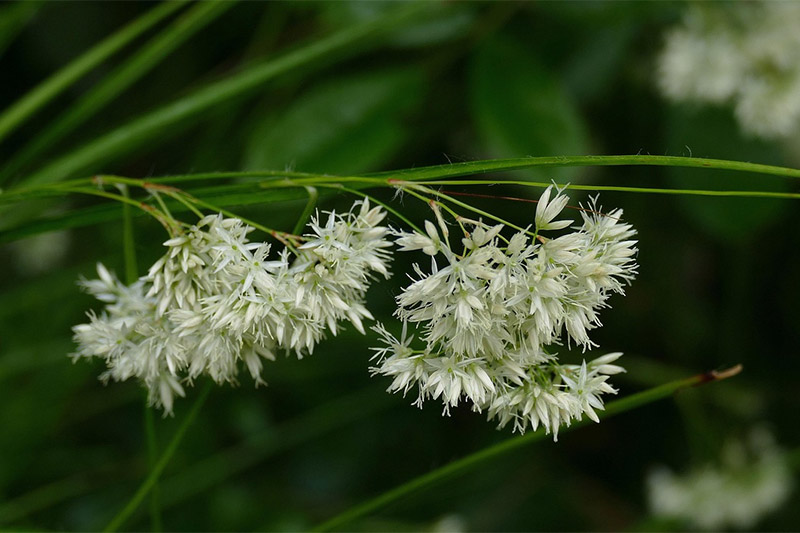
3. Hosta The classic shade perennial for good reason, bold, architectural foliage in blues, greens, and variegated creams that brings real structure to a border. Slug and snail resistant varieties have come a long way in recent years, so don’t let old reputations put you off.
4. Heuchera Semi-evergreen foliage in shades running from near-black through amber to lime, Heuchera is one of the easiest ways to bring colour into shade without relying on flowers at all. Works beautifully as edging or in drifts through a border.
5. Astilbe Feathery plumes of flower in pink, red, and white through summer, paired with attractive divided foliage. Astilbe wants consistently moist soil, making it a natural match for the damper corners of a shady garden.
6. Brunnera macrophylla Heart-shaped foliage, often beautifully silvered in varieties like ‘Jack Frost’, topped with sprays of tiny blue flowers in spring that genuinely resemble forget-me-nots. A quietly brilliant ground cover for dappled shade.
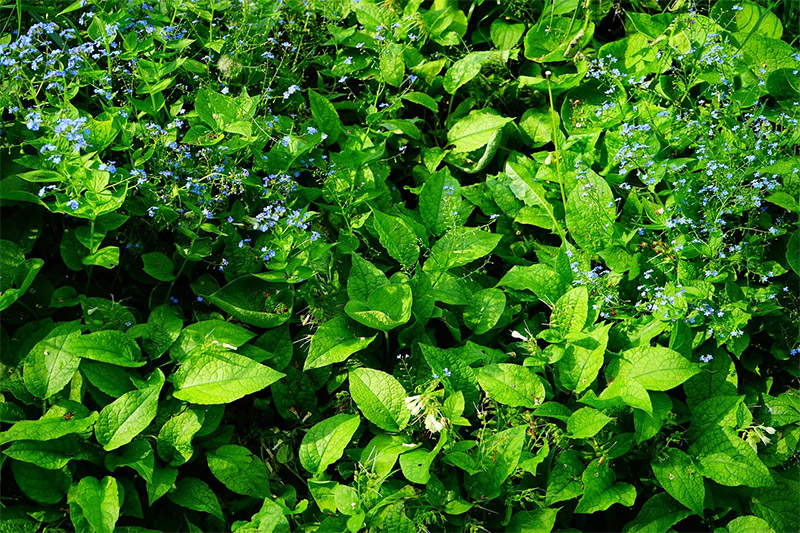
7. Pulmonaria. Early flowering and semi-evergreen, Pulmonaria brings some of the first colour of the year into a shady border, often in a lovely, shifting mix of pink and blue on the same plant. Spotted or silvered foliage keeps it interesting long after flowering finishes.
8. Dryopteris filix-mas (Male fern) A properly evergreen, thoroughly reliable fern that brings that classic, woodland texture into a garden with almost no fuss at all. One of the best starting points if ferns are new territory for you.
9. Sarcococca confusa (Sweet box) An evergreen shrub earning its place twice over, glossy, dark foliage year round, and intensely fragrant white flowers through the depths of winter when almost nothing else in the garden is offering anything at all. You can find growing details and buy plants via Crocus.
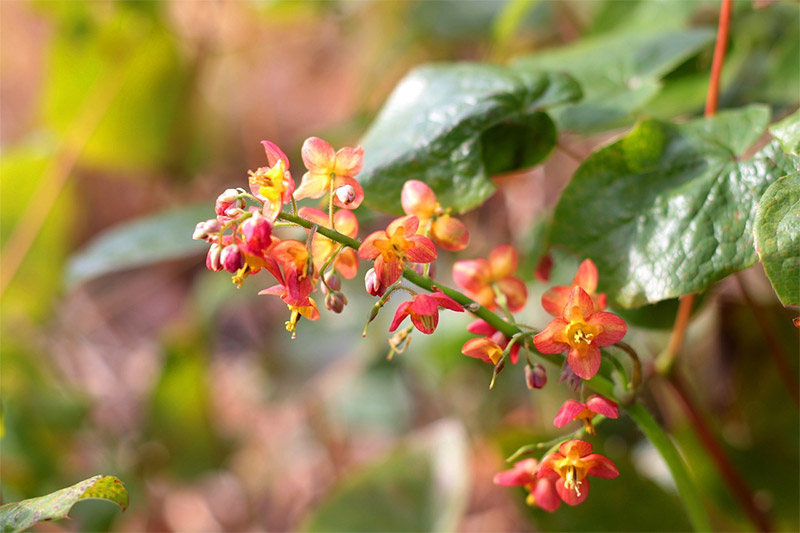
10. Epimedium A quietly excellent evergreen ground cover, heart-shaped leaves often flushed with bronze when young, and delicate, spurred flowers in spring. Slow to establish but tough and reliable once settled in.
Bringing it all together
A plant list is only ever half the story, the real skill in shade planting is combining these layers so the garden reads as one considered whole rather than a collection of individually nice plants. Repetition helps enormously here, rather than dotting one of each plant around the garden, group three or five of the same variety together so the eye reads a proper drift rather than a scattering of specimens. That’s really the heart of what garden design is about, working out how height, texture, and seasonal change fit together in the specific conditions of your own garden, not just picking plants off a list.
It’s also worth resisting the urge to rush a shady scheme. Many of the plants on this list, ferns and epimedium especially, take a season or two to properly settle before they hit their stride, so patience in the first year or two pays off considerably once everything’s established and filling out as it should.
This is what I do……..for all plant choices
I have been planting now for over 20 years so I do have a good repertoire for plants for all different places, however if you are struggling what plant to choose for any situation here is a good trick
Before you buy anything for a shady spot, find out where it actually grows in the wild!!!
It sounds obvious once you say it out loud, but so many of us buy plants purely because they looked good on the label, or because the label said “shade tolerant” and that felt close enough. The problem is, “tolerant” isn’t the same as “thriving”, and there’s a big difference between a plant that’ll limp along in shade and one that’s genuinely built for it.
Take Hakone grass, it comes from the mountain slopes of Japan, growing under trees in cool, moist woodland. Suddenly it makes complete sense why it sulks in a hot, dry corner and comes alive in a damp, dappled border, you’re just recreating the conditions it’s spent millions of years adapting to. Same goes for ferns, hostas, epimediums, nearly everything that genuinely loves shade evolved on a woodland floor somewhere, competing with tree roots for moisture and light exactly like your garden probably is.
Once you start thinking this way, plant shopping gets so much easier. Instead of guessing, you’re matching, dappled woodland plant goes under your tree, damp streamside plant goes in your boggy corner, tough understorey shrub goes against your north-facing wall. It takes the mystery out of it completely.
So next time you’re eyeing up a plant for a tricky shady spot, do a quick five minute dig into where it actually comes from. It’s the single best shortcut to a shade garden that actually thrives, rather than one that just about survives.
How PurelyPlanting can help
I’m Owen, and shade is one of my favourite conditions to design for, it rewards patience and good planting choices in a way that a straightforward sunny border sometimes doesn’t need to. If you’ve got a north-facing Brighton garden that’s never quite lived up to what it could be, I’d love to help you turn it into something genuinely beautiful.
Whether that means a full planting design for an existing space, or a complete garden build combining artisan hard landscaping with a considered shade planting scheme, every project starts with a proper look at your specific site, its soil, its light, and what you actually want from it. Have a look through the case studies for examples of gardens I’ve designed and built across Sussex, then get in touch to talk through your own shady garden.
